
Quick conclusion
Composite/FRP fences can use glass-fiber-reinforced profiles for the posts, horizontal rails, and vertical pickets for use in wet areas, coastal sites, aquaculture facilities, or other corrosive environments. The material is lightweight and does not develop iron rust like carbon steel. Even so, the design must account for fence height, openness, wind loads, post spacing, foundations, connections, resin system, UV protection, and metal hardware. No single profile size or post spacing is suitable for every project.
How does an FRP composite fence differ from a WPC fence?
The term "composite fence" on the market may refer to two different groups of materials. FRP is a fiberglass reinforced polymer, usually formed into profiles such as box bars, round bars, angles, or mesh sheets to make structural components. WPC is composite wood plastic, commonly used in panels or decorative battens made of wood powder and polymer. This article only discusses the fence system using profile Composite/FRP from Hưng Thịnh Phát, not the wood-plastic imitation wood fence.
Material name not self-determinedLoad-bearing capacity. A box beam is only used as a column or horizontal beam after its cross-section, orientation, span, load, deflection, and connections have been checked. See specifications at Purlin product page Composite/FRP box-section bar.
When should FRP fences be considered?
- Coastal or salty areas: Need to limit rust on columns, cross members, and cladding system.
- Fish ponds, livestock farms, and water treatment areas: Environment is frequently wet, muddy, or corrosive.
- Chemical plants, fertilizer plants, or wastewater treatment: The chemical name, concentration, temperature, and exposure time must be confirmed before selecting the resin system.
- Items that need to reduce transportation and lifting volume: FRP profile may be more convenient when bringing the structureinstalling in hard-to-reach positions.
- Areas where exposed metal details need to be limited: Bolts, screws, base plates, and foundations still need to be evaluated according to the actual environment.
Structure of a Composite/FRP fence system
A fence system may include posts, top/bottom rails, vertical bars or mesh panels, gate frame, bracing, base plates for posts, anchor bolts, and foundations. Each component has different functions. Poststransmit to the foundation; horizontal bars hold the vertical bars and distribute the load; base plates, bolts, and drilled holes transmit force at the joints.
Solid fences withstand higher wind pressure than ventilated fences. Gates add additional self-weight load, hinge moments, and opening/closing impacts. Therefore, one should not use a low, ventilated fence sample as a basis for a tall, solid fence or one with a large gate.
Eight groups of data needed before selecting specifications
| Data group | Content to confirm | Risks if ignored |
|---|---|---|
| Geometry | Height, line length, expected column spacing, clearance, and ground elevation | Incorrect wind load or system stiffness |
| Location | Construction site location, terrain, wind zone, distance to the sea, and shielding level | Missing environmental and wind loads |
| Function | Block people, channel flows, protect equipment, animal pens, fish ponds, or decorate | Wrong choice of structure and safety level |
| Gate and concentrated load | Gate size, hinges, locks, additional devices, and frequency of opening and closing | Overloading columns or connection nodes |
| Environment | Moisture, salt, chemicals, UV, temperature, and exposure time | Wrong choice of resin system or surface |
| Foundation | Type of ground, foundation size, anchor bolts, elevation, and drainage | Settlement, tilting, or uprooting of column bases |
| Connection | Hole diameter, edge distance, washergrommet, base plate, tightening moments, and metal materials | Forming into bars or delaminating |
| Material profile | Cross-section, thickness, mechanical properties, fiber orientation, resin system, and product test data | Using data from the wrong profile |
Wind load, column and foundation spacing of the fence
Cannot select column spacing based only on material name. Spacing must simultaneously consider fence height, tightness, wind load, flexural stiffness of the profile, stability conditions, base plates, anchor bolts, and foundation.TCVN 2737:2023 provides the basis for determining loads and impacts on structures; the design engineer must choose a model and combination suitable for the location, geometry, and actual function.
- Fence alignment, height, openness, corner positions, and gates.
- Determine wind load and service load according to applicable standards.
- Use the confirmed mechanical properties of the correct profile Hưng Thịnh Phát.
- Check bending, cutting, deflection, stability of columns and cross members.
- Check drill holes, base plates, bolts, anchors, and foundations.
- Finalize construction drawings, tolerances, assembly sequence, and temporary measures.
Images of Composite/FRP fences and components at the construction site
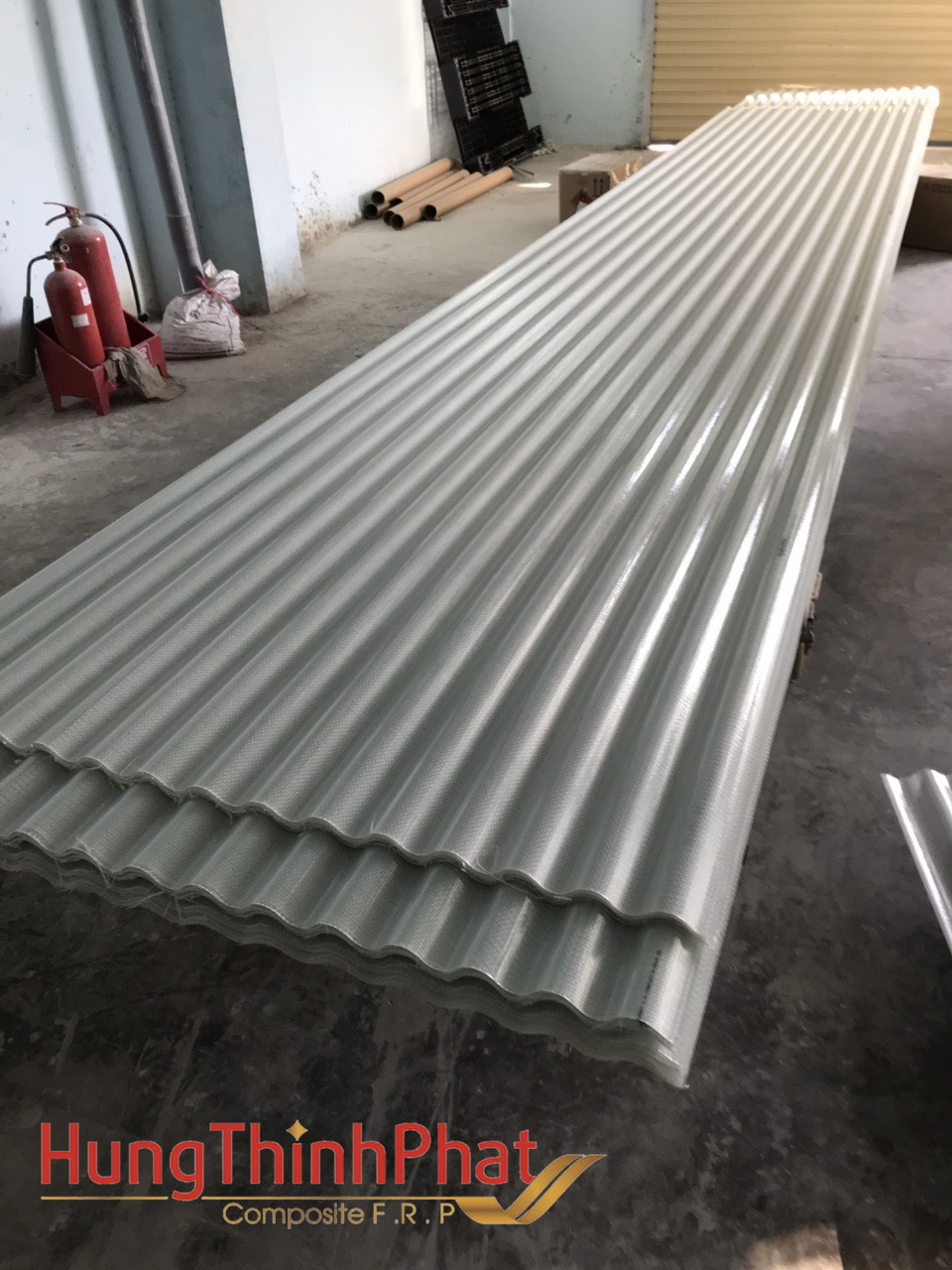
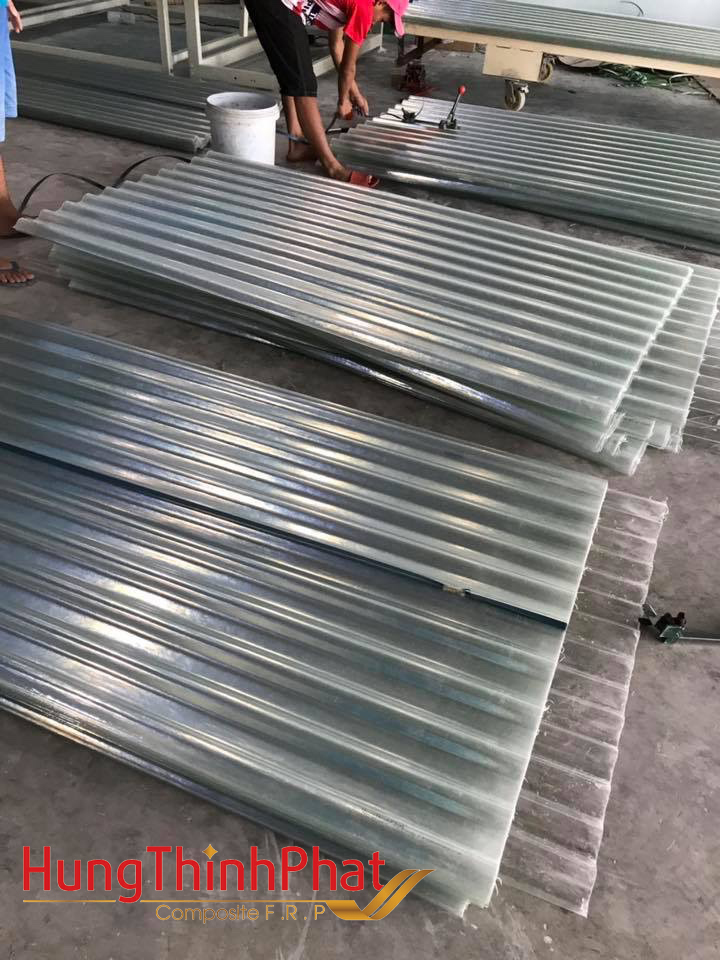
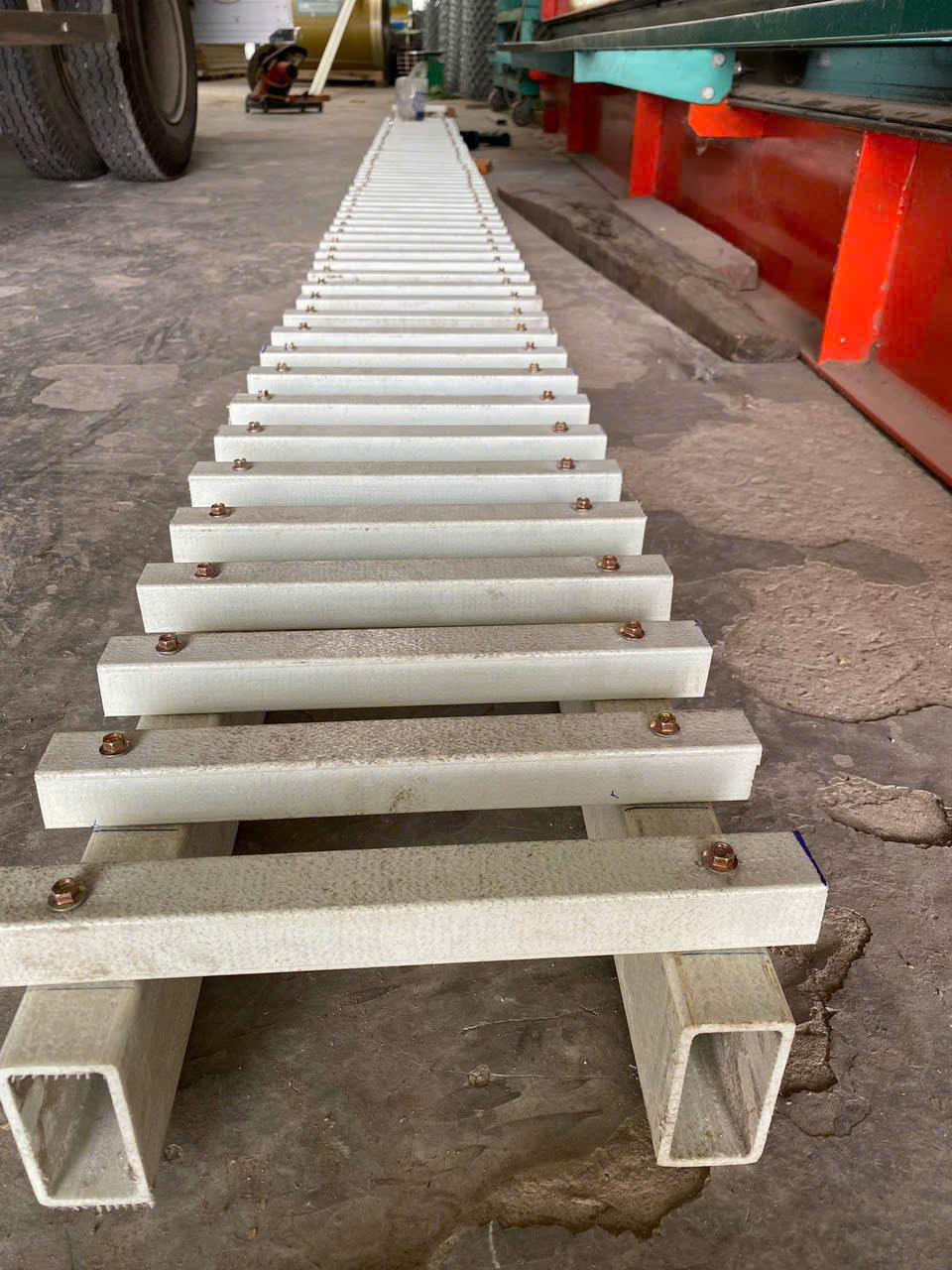
The representative photo records the fence system Composite/FRP at the site. The two photos below show box-section components collected and assembled by module in the production area and fish pond. The images demonstrate practical application and do not replace calculation documents or load-bearing certification for any project.

Send Hưng Thịnh Phát the drawings, fence height, proposed post spacing, site location, service environment, gate details, and quantity for a manufacturing feasibility review.
Send a quotation requestPlastic systems, UV, and accessories in corrosive environments
FRP does not form rust like carbon steel, but 'corrosion-resistant' does not mean resistant to all chemicals or that inspections are unnecessary. Suitability depends on the resin system, surface layer, chemical concentration, temperature, UV exposure, and exposure time. Cut ends and drilled holes must be treated according to technical guidelines. Bolts, screws, base plates, and metal anchorscan still corrode if an inappropriate material is chosen.
Mechanical properties of FRP are directional. Do not use data from another profile or manufacturer just because the external dimensions are similar. ISO 14125 is the method for testing the flexural characteristics of fiber-reinforced composites; results are only meaningful when the specimen, fiber orientation, and test conditions match the product being evaluated.
Fabrication and installation of FRP fences
- Sample and drawing approval: Lock in section, color, surface, bar spacing, and gate details before mass production.
- Control cutting and drilling: Use appropriate tools, vacuum fibers, and wear protective gear; limit ad hoc drilling at the construction site.
- Maintain edge spacing: Holes too close to the edge or grommets too small can cause cracking, delamination, or crushing into bars.
- Do not overtighten: Use plates and washers to distribute force; tightening torque must follow approved details.
- Maintain stability during construction: Support temporary columns and modules until foundations, anchors, and connections reach working conditions.
- Check drainage: Avoid letting column bases, base plates, or metal accessories be soaked in water for extended periods.
Inspecting and maintaining a Composite fence system
- Observe tilted columns, abnormal deflection, cracks, delamination, surface wear, and exposed fiber ends.
- Check bolts, washers, plates, anchors, foundations, and gates after strong winds or impacts.
- Clean mud, salt, and chemicals according to procedures suitable for the resin system and environment.
- Record all additional drill positions, repairs, or accessory replacements.
- Reassess the system when increasing height, sealing gaps, attaching signs, or changing functionality.
See more Overview guide on FRP purlins for corrosion-resistant projects, application of purlin Composite as fish raft and purlins Composite as roof.
Documents required to quote a Composite/FRP fence
Quotation depends on profile, thickness, length, resin system, color, surface, quantity, processing, connections, and delivery location. To minimize incorrect specification quotes, please send:
- Fence line drawing, height, column spacing, clearance, and gate location.
- Construction site location, damp/salty/chemical environment, temperature, and UV requirements.
- Protective function, impact load or additional equipment if any.
- Bar specifications, length, quantity, cut/drill positions, plate, bolts, and foundation.
- Sample requirements, technical documents, packaging, delivery, and schedule.
Technical reference source
- Vietnam Standards and Quality Institute – TCVN 2737:2023: loads, impacts, and combinations used in structural calculation.
- ASCE/SEI 74-23 – LRFD for Pultruded FRP Structures: design principles of profiles and FRP pultrusion connections.
- ISO 14125: method for determining the bending characteristics of fiber-reinforced composite.
- Strongwell Design Manual: reference documents about components, connections, and corrosion resistance of the correct product system.
- EXTREN Fabrication and Repair ManualPrinciples for cutting, drilling, inspecting, and repairing the manufacturer’s FRP profile.
Technical limits: This article supports solution screening and documentation preparation. The final specifications must be based on drawings, loads, applicable standards, and test data of the exact Hưng Thịnh Phát product; the design engineer is responsible for verification for the specific project.
Contact Hưng Thịnh Phát for consultation on specifications and pricing at the factory.