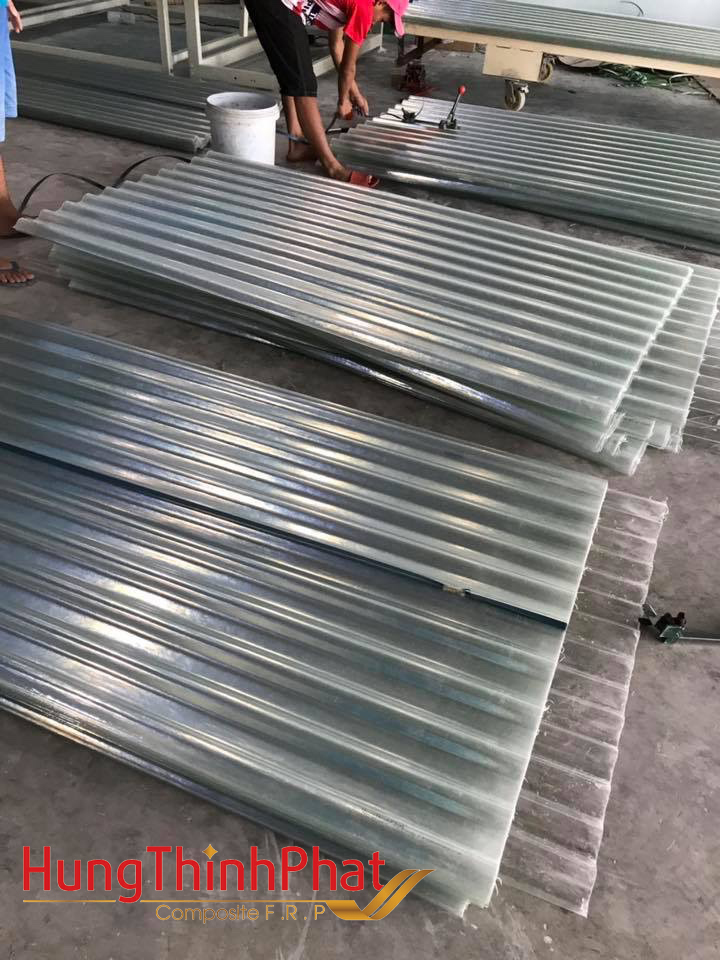
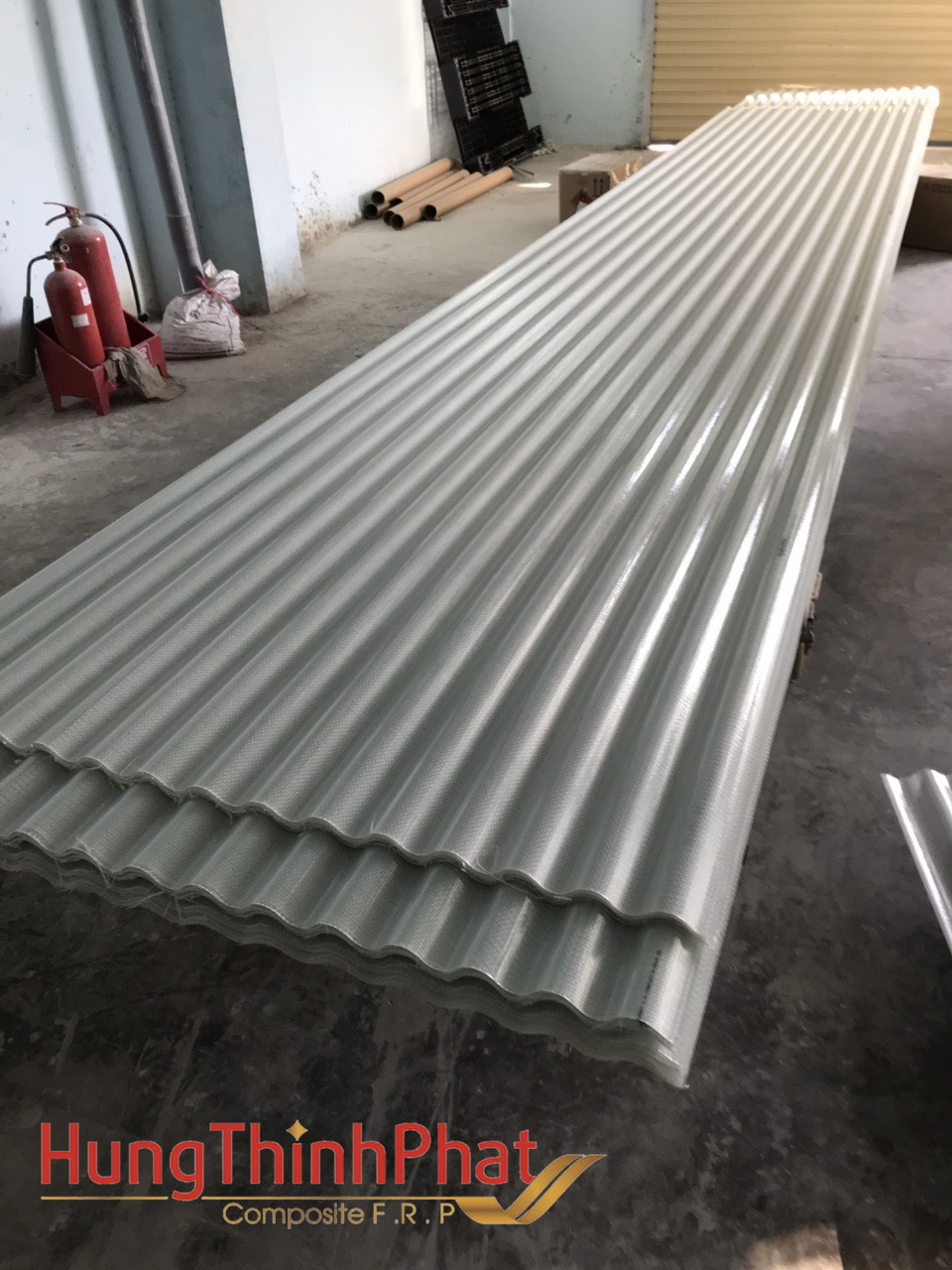
Maxlight FRP Translucent Roofing Sheets
12-Wave FRP Translucent Roofing Sheet, 90cm Wide
Light-transmitting plastic sheets Composite/FRP 12-round wave, 90cm width for roofs and walls with compatible…
Plastic corrugated sheets, translucent roofing Composite/FRP Maxlight in 12-round and 9-square corrugation types; guidance on selecting profile, color, and specifications according to the construction.
Maxlight FRP Translucent Roofing Sheets
Light-transmitting plastic sheets Composite/FRP 12-round wave, 90cm width for roofs and walls with compatible…
Maxlight FRP Translucent Roofing Sheets
Transparent corrugated sheet Composite/FRP 9 square waves, 107cm wide for roofs and walls; matching according…
Transparent plastic roofing Maxlight is a Composite/FRP corrugated panel, used to arrange skylight strips on roofs or walls. On the market, the product can also be found under names such as skylight roofing panels or plastic skylight panels.or corrugated translucent panels. The name may vary, but when ordering, you must specify the material, profile, sheet width, thickness, length, and color.
This page is overview guide for the Maxlight series. The two product pages below are responsible for search intent by specific specifications; therefore, customers should choose according to the existing roof geometry rather than just looking at the product name.
| Specification | How to choose |
|---|---|
| 12 round waves, 90cm width | Used when the profile and overlap edge size match the 12-round-wave roofing system. |
| 9 square waves, 107cm width | Use when the roof profile is 9 square waves and geometric parameters have been cross-checked. |
Two panels with the same wave number can still have different wavelengths, wave heights, wave crest shapes, or effective widths. If they do not match, the overlapping edges may be open, difficult to fix, and increase the risk of water leakage. Overall photos are for reference only; sectional drawings or sample sheets are a more appropriate basis for confirmation.
Color and transparency affect the amount of visible light passing through the panels, while heat entering the building simultaneously depends on solar radiation, the area of light-transmitting strips, ventilation, roof layers, and operating conditions. One should not infer heat-blocking capability solely from the light transmission ratio. See the instructions Distinguish light transmission and heat transmission.
Price depends on specifications, thickness, length, color, quantity, and transportation. Send a quotation request to receive the configuration and applicable conditions for a specific order.
Hưng Thịnh Phát engineers provide free consultation on wave types, thickness, suitable colors, and factory pricing.