Quick conclusion
Purlins Composite/FRP can be used as frame bars for fish rafts and aquaculture cages when the cross-section, resin system, connections, and anchoring system are selected according to the project conditions. The main advantages are that it does not form rust like carbon steel and has low weight, making it suitable to consider in humid, brackish, or seawater environments. However, steel bars should not be directly replaced by FRP bars of the same size without checking load, deflection, fatigue, bulging, waviness, flow, and bolt details.
How are Composite purlins, FRP box beams, and fish cage frames different?
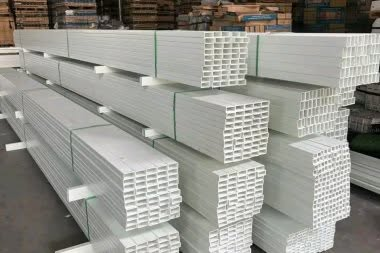
Composite/FRP is a group of fiber-reinforced polymer materials. FRP box beam describe a square or rectangular cross-sectional shape. Purlin is the name according to the load-bearing function. When used on fish rafts, the same type of beam can serve as a frame girder, horizontal beam,struts, railing frames, or mesh supports.
Therefore, the name "purlin Composite for fish rafts" does not specify the size or load-bearing capacity. The profile must clearly indicate which rod is the main load-bearing member, which is just a secondary frame, the support positions, the orientation of the cross-section, and how the force is transferred to the floats, anchors, and nets.

Why is the Composite purlin considered for fish rafts?
Reduce the risk of iron rust in humid and saltwater environments
FRP does not form rust like carbon steel. This is why the material is often considered for coastal constructions, brackish water areas, and aquaculture zones. However, durability in a specific environment still depends on the resin system, surface protective layer, UV exposure, temperature, immersion duration, and chemicals present.domestic.
Low weight, convenient for transport to the water surface
FRP rods are usually lighter than steel components of the same geometry, helping to reduce lifting and handling work on the floating platform. This advantage does not imply that the two materials have the same load-bearing capacity. The deflection of the FRP frame needs to be checked separately according to the span, fiber direction, and connection method.
Can be fabricated into a frame system according to drawings
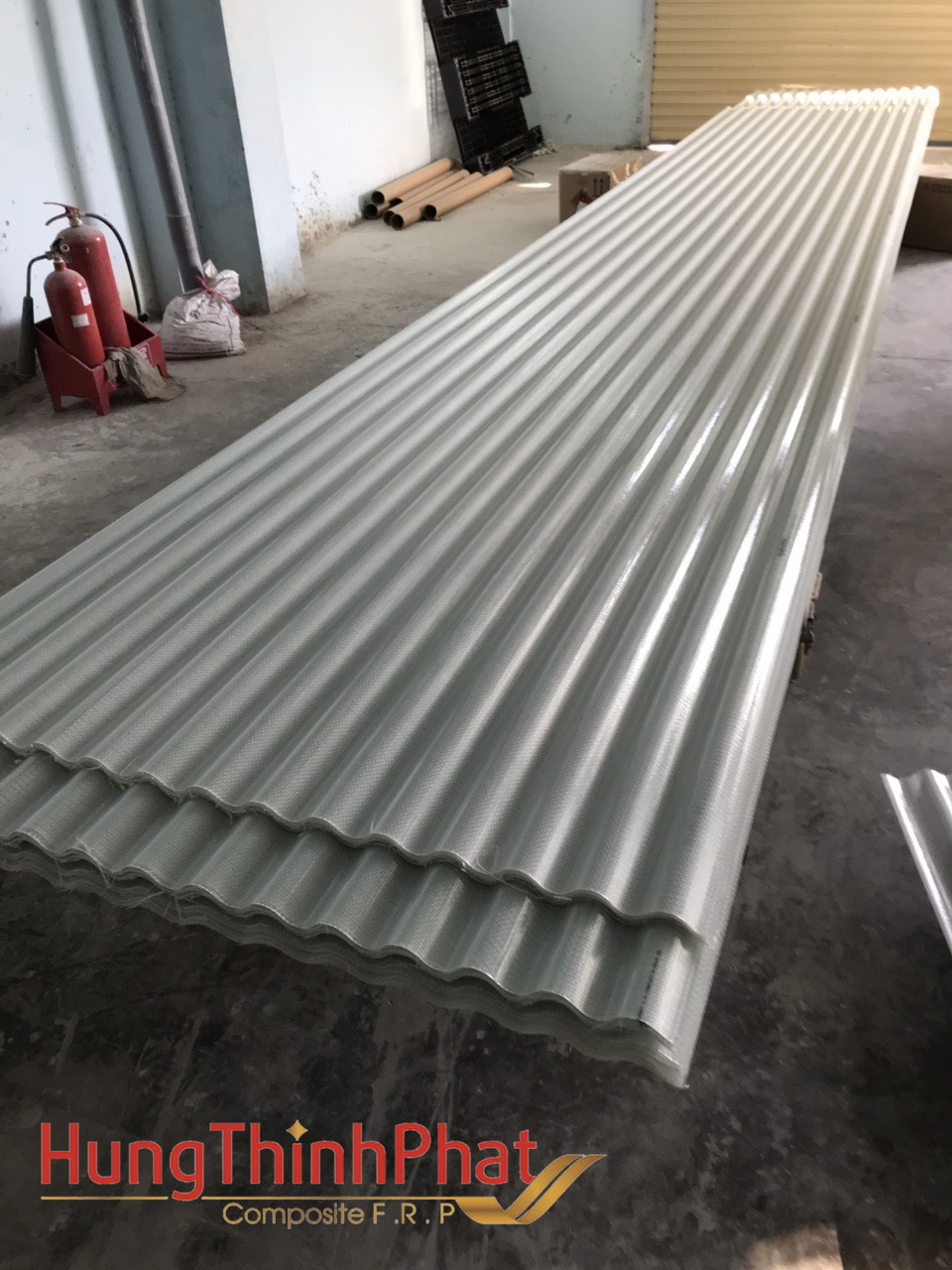
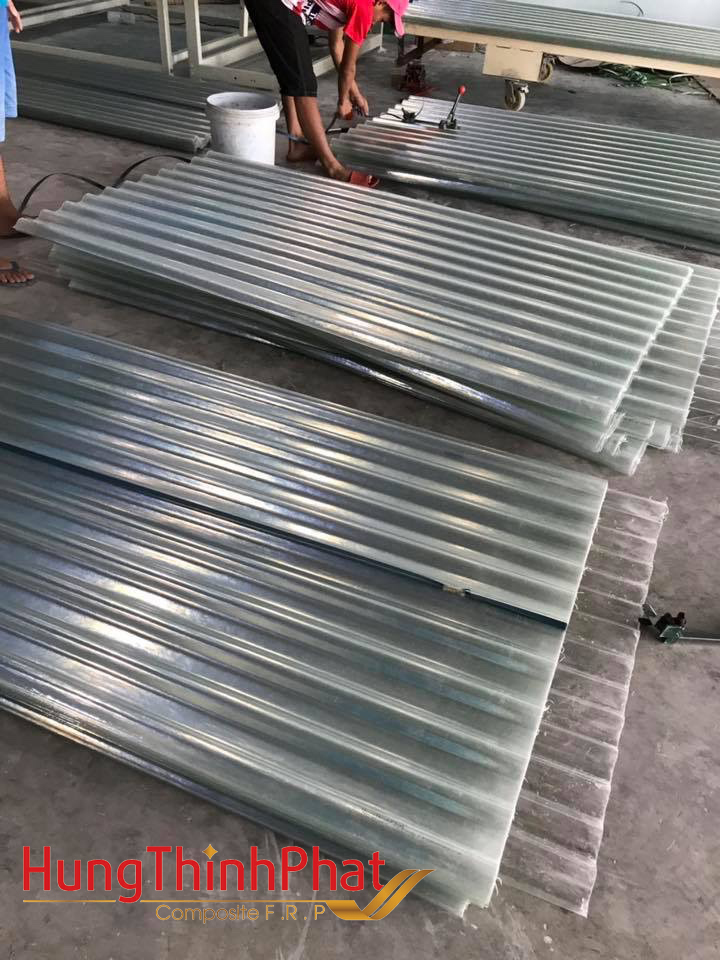
Box beams have a stable shape, convenient for arranging into frame grids, mesh supports, handrails, or secondary frames. Provided by Hưng Thịnh Phát Composite/FRP purlins box section according to the confirmed specifications; drawings, length, hole positions, and base plate details must be finalized before mass production.
Six data groups that must be available before selecting FRP specifications
| Data group | Content to confirm | Risks if ignored |
|---|---|---|
| Location and environment | : Freshwater, brackish water, or seawater; UV; temperature; chemicals; fouling organisms. | Choosing the wrong resin system or surface layer |
| Fish raft geometry | Cage dimensions, beam spacing, floor elevation, arrangement of floats and nets | Incorrect support position, increased deflection or twisting |
| Load and impact | Self-weight, people and equipment, nets, feed, collisions, waves, wind, and currents | Lack of load-bearing capacity or fatigue vibration |
| Floating system and anchor | : Float type, buoyancy reserve, mooring ropes,bottom stakes/anchors, water level and tidal range | Frame overloaded due to displacement or anchor force |
| Connection | Bolts, washers, base plates, edge distance, tightening torque, and metal materials | Pressed into bars, cracked at holes, or corrosion of metal parts |
| Operation and maintenance | : Walkways, inspection cycles, net replacement locations, lifting, lowering, boat mooring. | Difficult to access or late detection of damage |
FAO’s cage fish farming guidelines also emphasize that design is site-specific: depth, currents, wind, waves, floating system, and anchors all directly affect the frame. Because So, there is no single FRP rod size that fits all fish rafts.
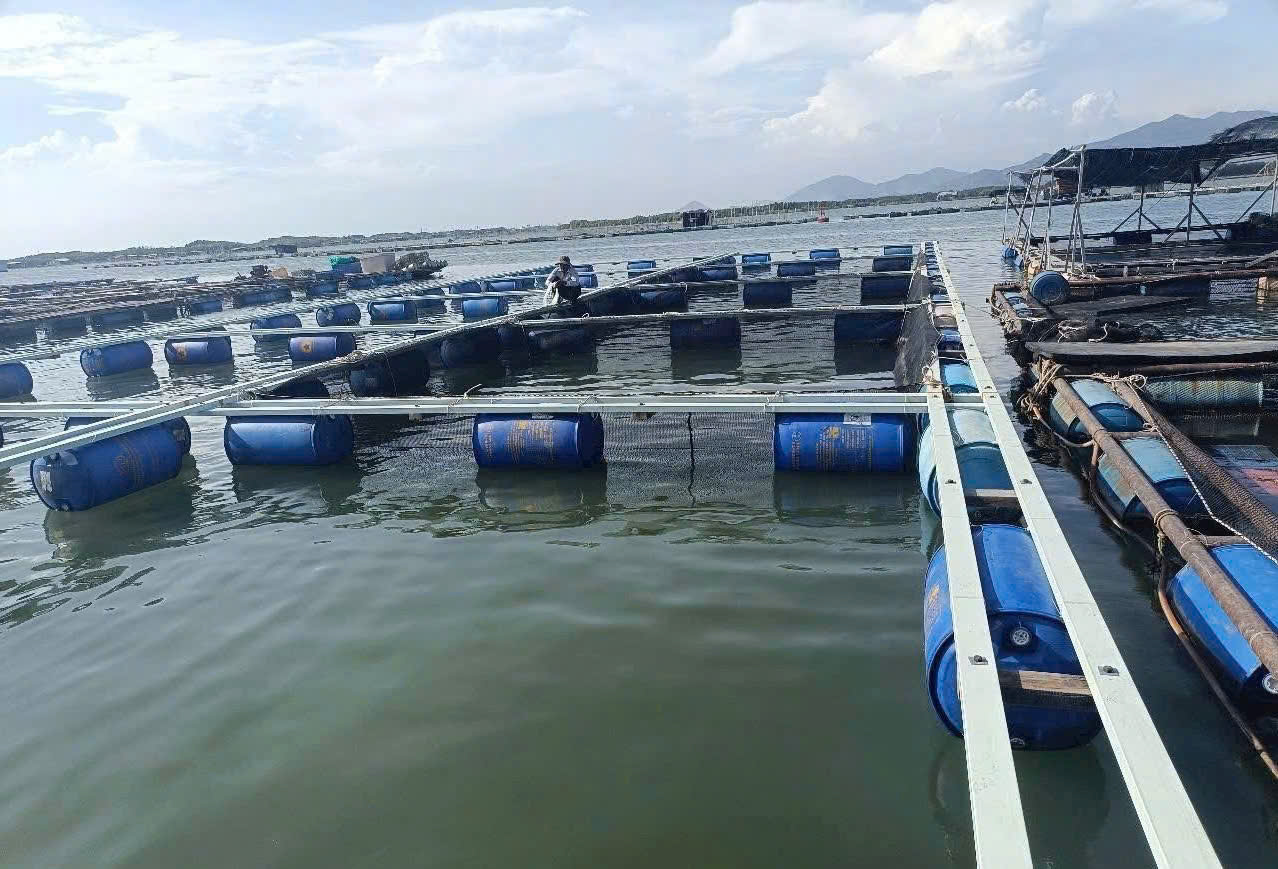
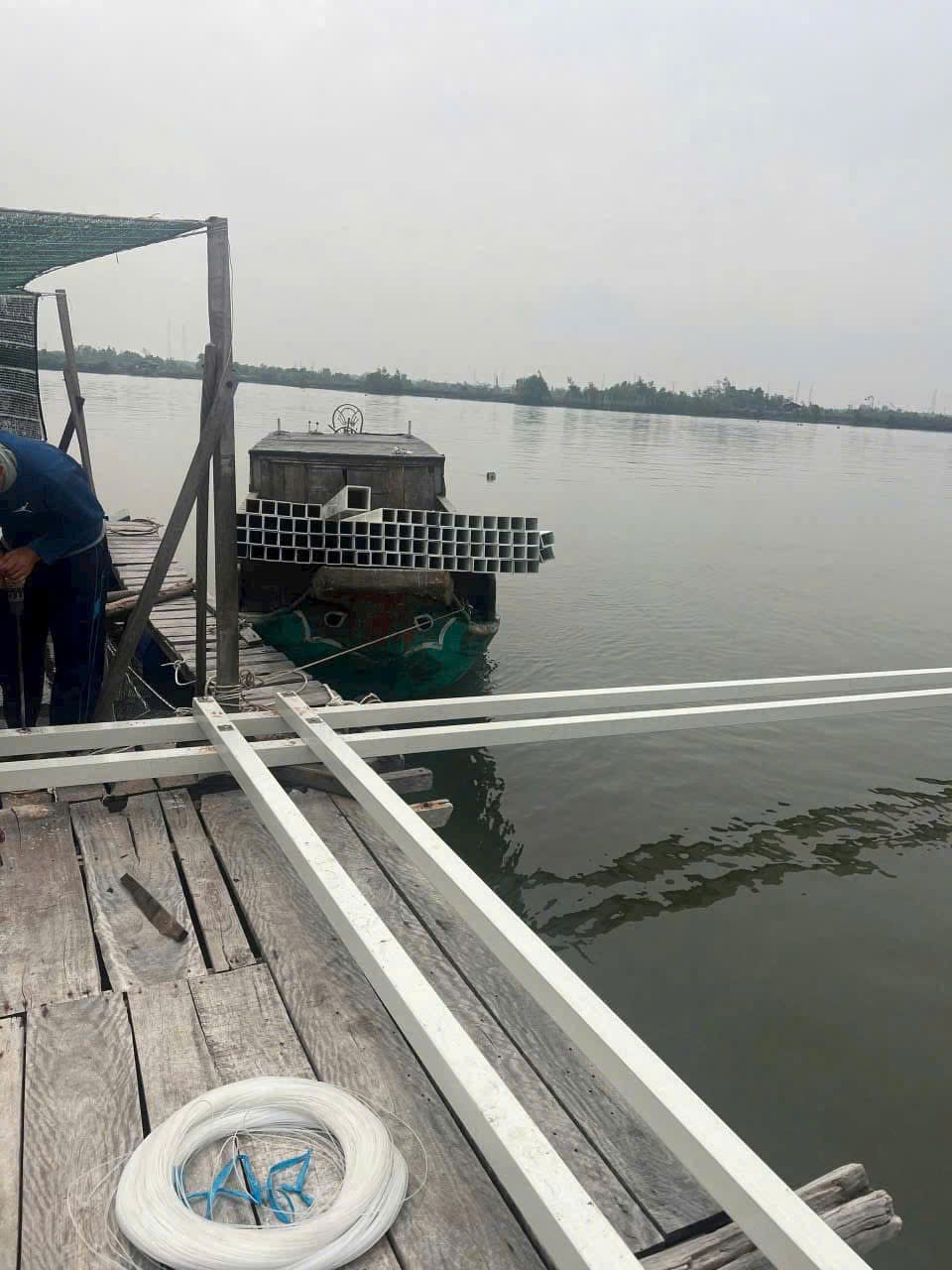
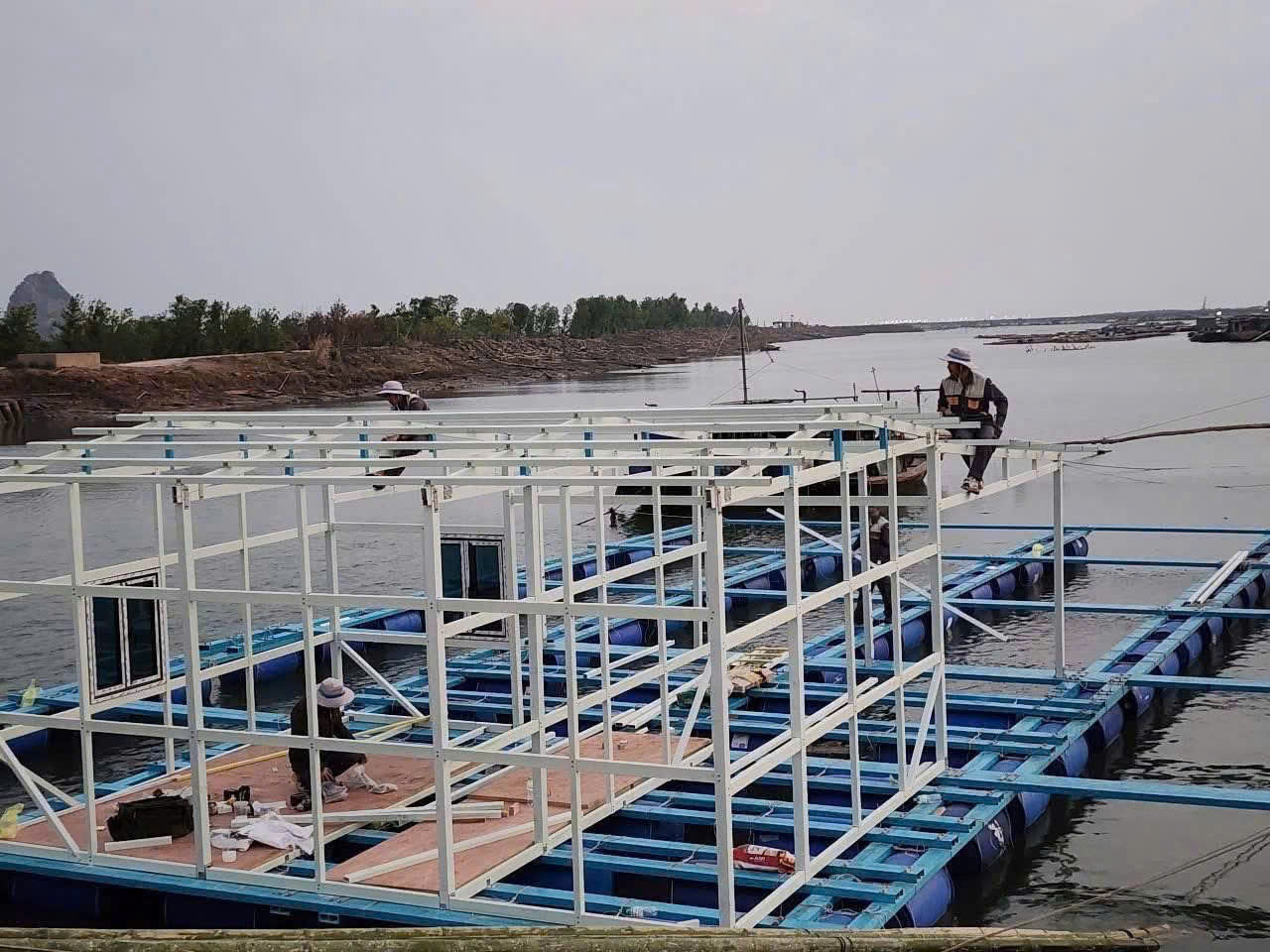
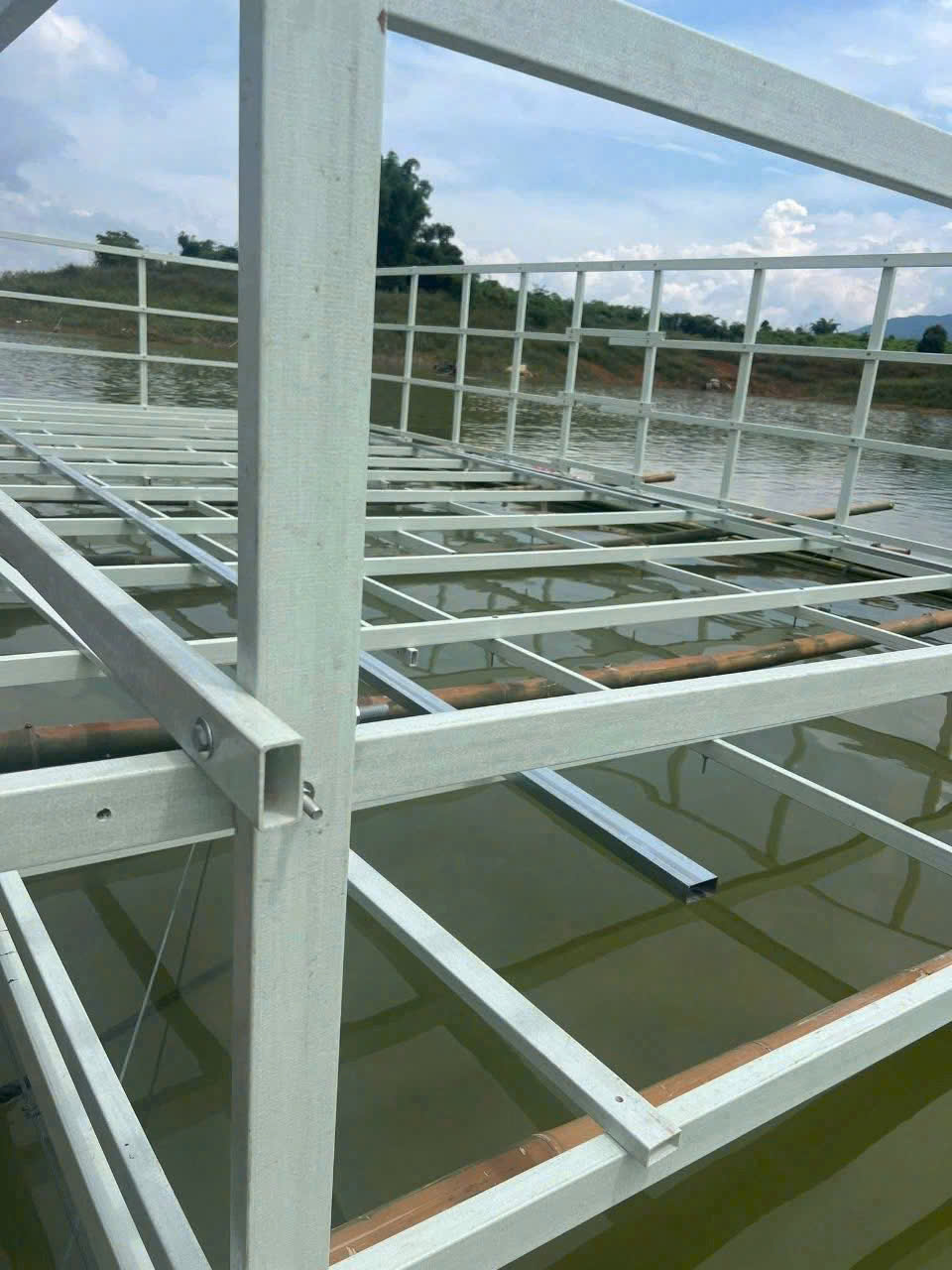
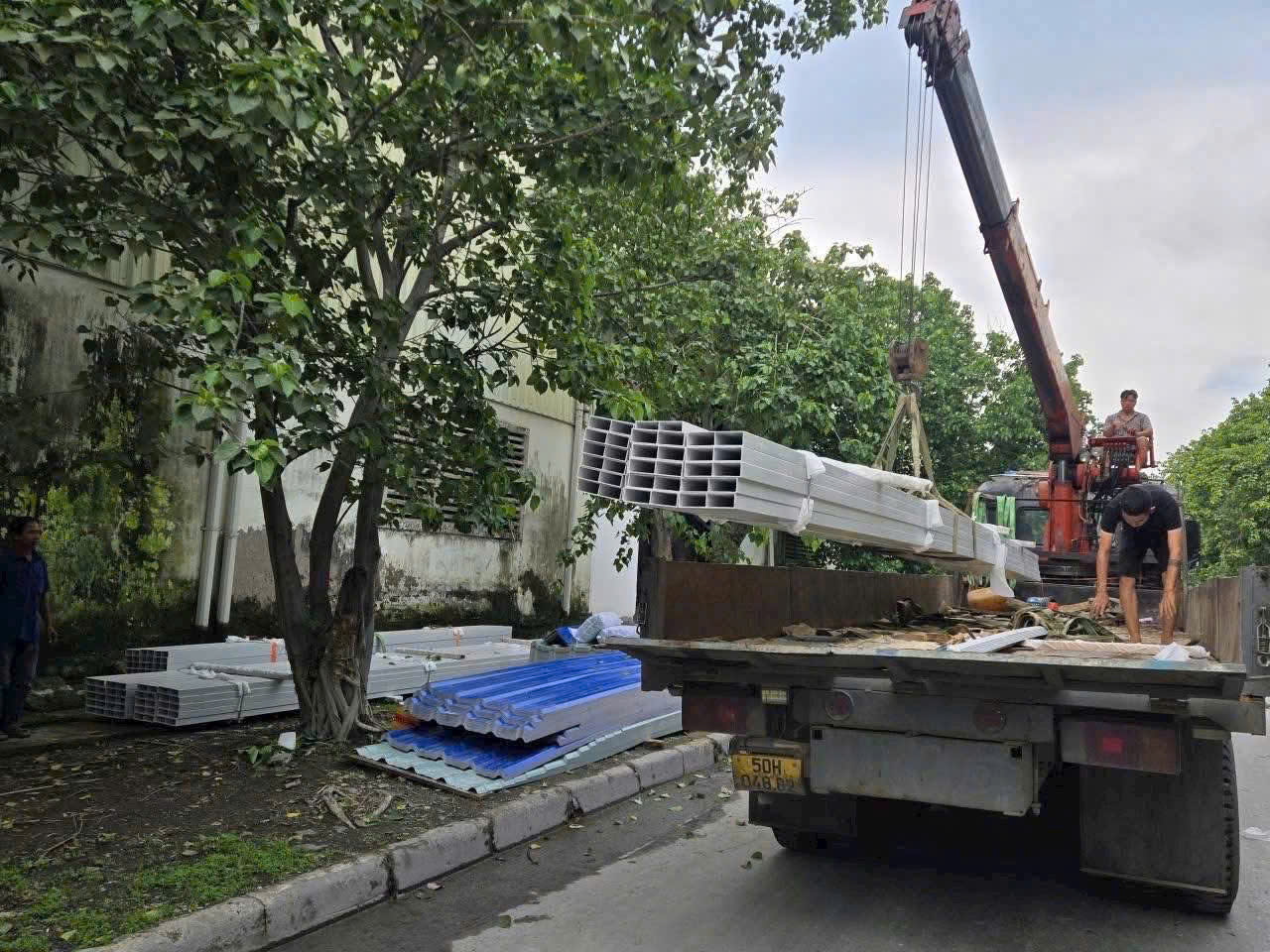
Image of Composite purlin used for fish rafts at the project
The images below record the process of transporting, assembling the frame, tightening connections, and completing the frame system on the float. This is photographic evidence of practical application, not a load table or certification for general use in all projects.
Send the drawings, cage dimensions, water environment, and installation location to Hưng Thịnh Phát for production feasibility check.
Send a quotation requestBonding, drilling, and installing FRP frames
Connections are often the sensitive points of FRP bar structures. Drilling holes too close to the edge, washers that are too small, or overtightening bolts can cause bar crushing, delamination, or stress concentration. Construction drawings need to clearly specify hole diameter, edge distance, washer/plate size, and tightening sequence.
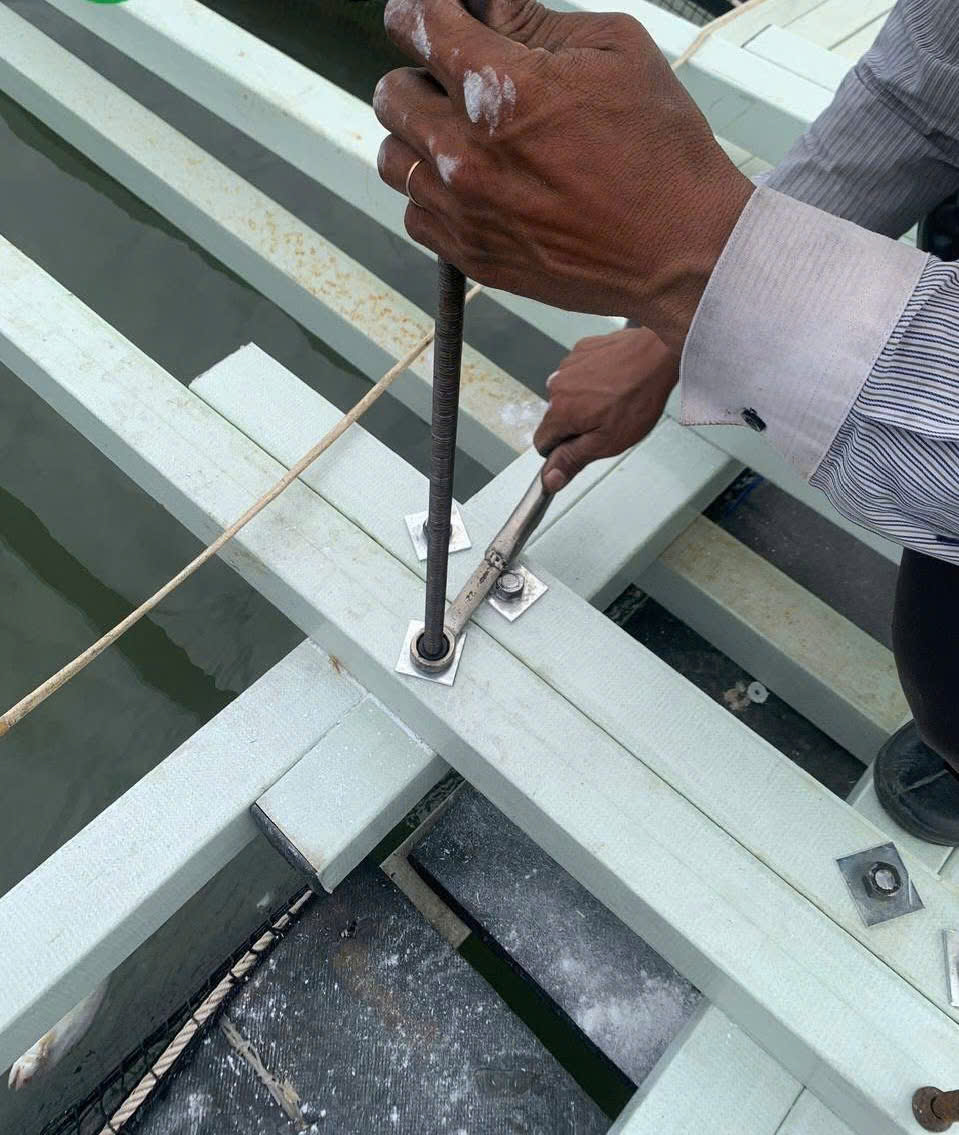
- Finalize drawing before drilling: avoid arbitrary additional drilling at the construction site.
- Use appropriate tools and protective equipment: Control fiber dust when cutting, grinding, drilling.
- Seal the cut surface: limit prolonged exposure of bare fiber cores to moisture and chemicals.
- Check metal details: FRP does not rust, but bolts, base plates, and metal accessories can still corrode.
- Do not use bars as collision points: if the raft has docking boats, cushions and separate mooring points need to be arranged.
What to inspect during use?
- Observe cracks, delamination, surface wear, exposed fiber ends, and abnormal deformations.
- Check bolts, washers, base plates, anchor cables, buoys, and contact points after strong winds or impacts.
- Clean fouling organisms according to the appropriate procedure, do not using methods that can damage the surface layer.
- : Record positions that have been repaired, replaced accessories, or additional drilling for monitoring.
- Recheck the frame system when changing usage loads, expanding cage cells, replacing nets, or adding equipment.
Designing a fish raft is a system consisting of a frame, floats, nets, anchors, and access passages. The Composite bar is just one component. The entire system needs to be checked according to actual conditions, especially in locations exposed to waves, currents, or harsh weather.
Documents required to send for a quote on Composite purlins used for fish rafts
Quotation depends on cross-section, thickness, length, resin system, surface, color, quantity, processing, and delivery location. To minimize incorrect specifications, please send:
- Overall and detailed drawings of the cross-section, thickness, and length.
- Cage size, support spacing, and float/anchor layout.
- Description of freshwater, brackish water, or seawater; location sheltered or exposed to waves.
- Load of people, passageways, equipment, feed, and boat mooring requirements.
- : Requirements for cutting, drilling, gusset plates, bolts, colors, and test records if any.
- Quantity, delivery location, and desired schedule.
See more List of purlins CompositeHưng Thịnh Phát and Guide to selecting FRP purlins for corrosion-resistant projects.
Technical reference source
- FAO – Freshwater Cage for Fish: frame components, floats, nets, anchors, and positional factors to consider.
- FAO – Structural Design and Culture Site: cage design depends on wind, storms, waves, currents, depth, and site conditions.
- FAO AGRIS – Design evaluation of a fish cage mooring system: research on mooring line arrangement and the impact of waves and currents on cage safety.
- Study cages for breeding using FRP Composite: Vietnamese reference sources for material specifications and cage frame models.
Technical limits: The above sources help determine the design principles. Do not use specifications from another product system as a replacement for the technical sheet, drawings, and test results of the Hưng Thịnh Phát product.
Contact Hưng Thịnh Phát for consultation on specifications and pricing at the factory.