Quick conclusion
There is no single thickness of translucent roofing sheet Composite that is used for all factories. Selections must simultaneously consider the profile, purlin spacing, wind load and maintenance, roof location, connections, and test data of the correct product; figures based only on workshop area are not safe enough.
Why can’t we say “factory uses X mm”?
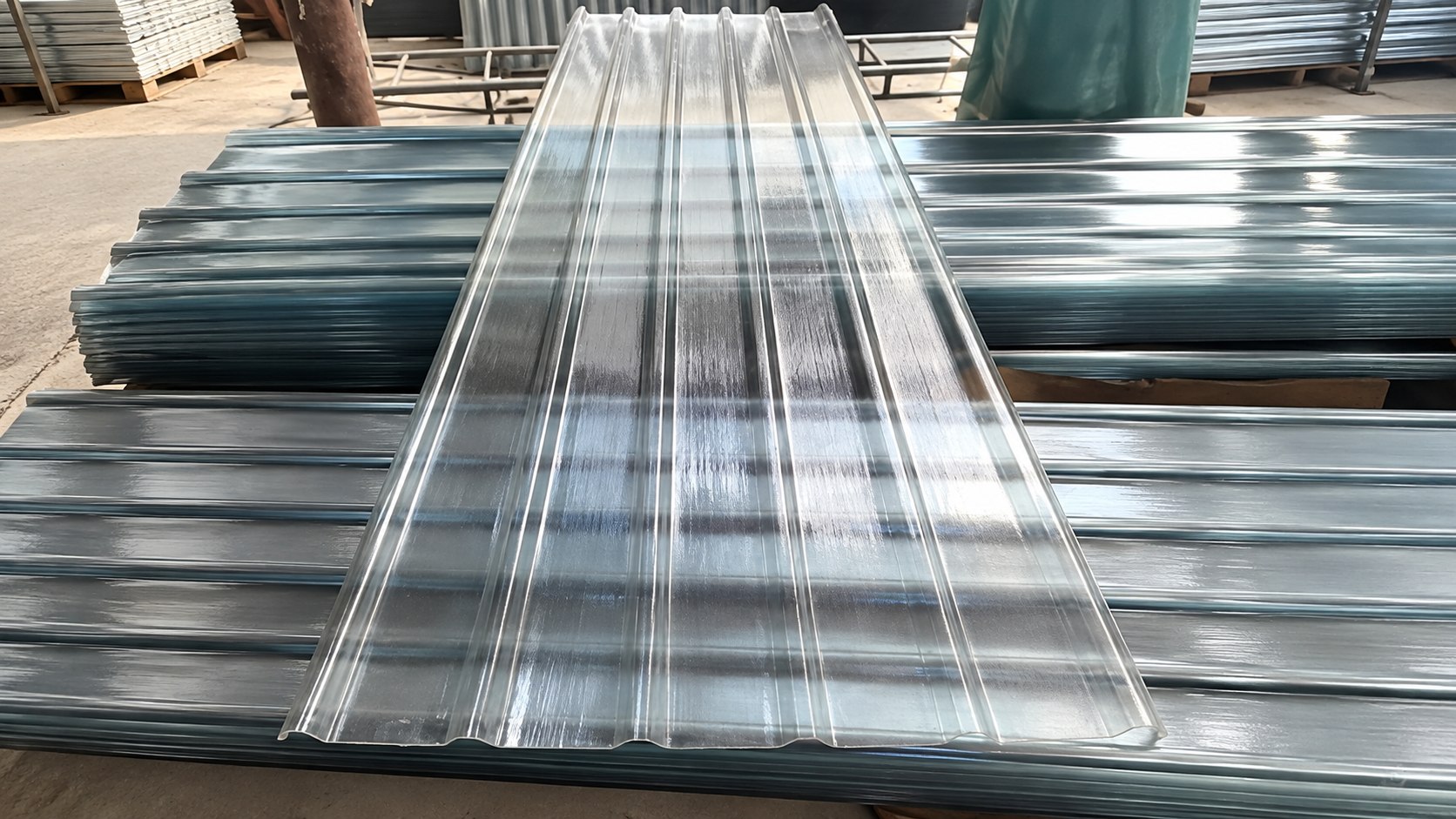
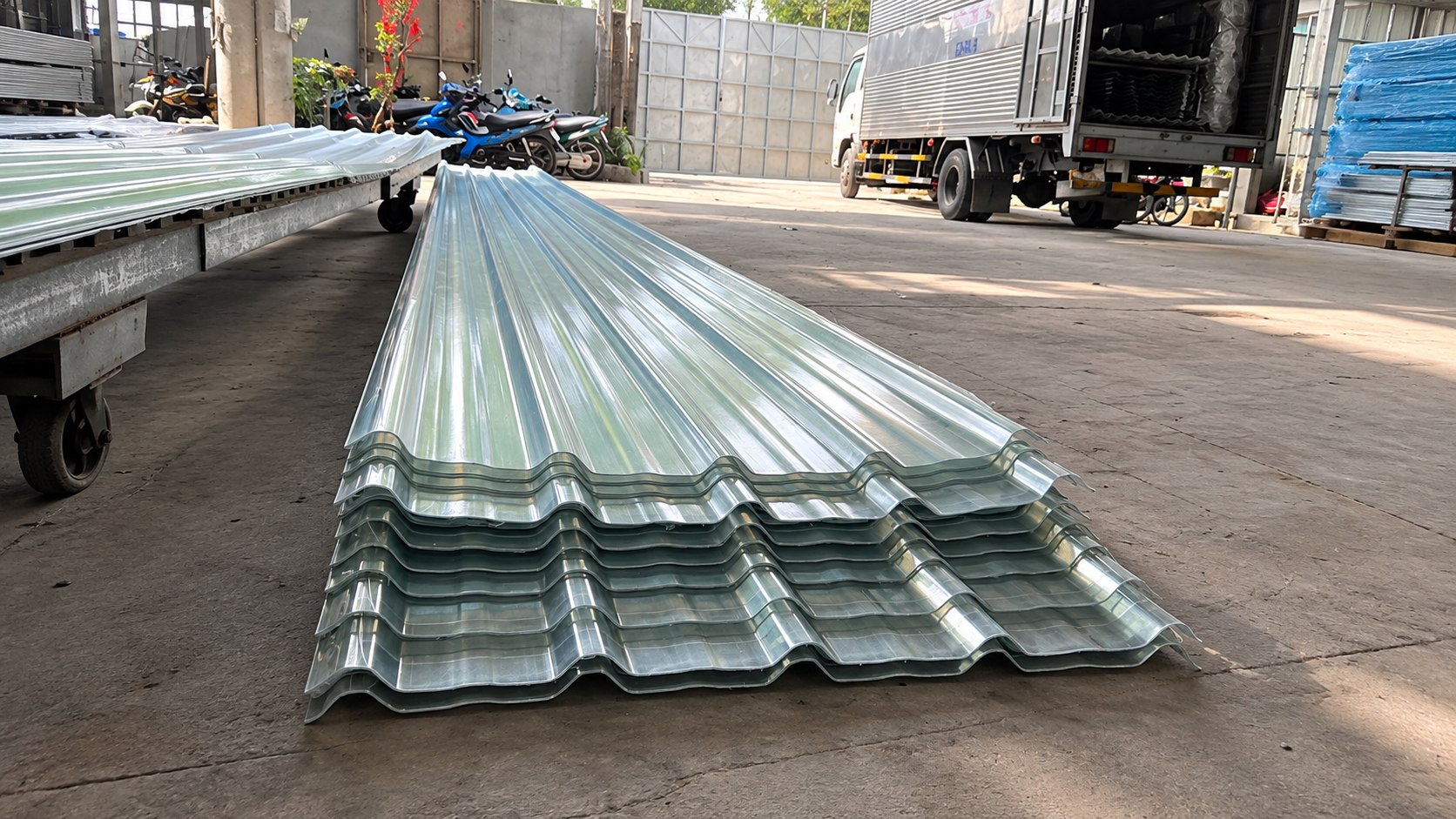
Thickness is just one variable. Workability also depends on wave geometry, spacing between purlins, wind load, maintenance load, edge/corner areas of the roof, temperature, drilled holes, connections, and test data of the actual product. Two sheets of the same thickness but with different profiles or fiber content are not considered equivalent.
Data required before selection
| Data | Questions to answer | Verification documents |
|---|---|---|
| Profile | What type of wave, step/height/useful width? | Section drawing |
| Support pillow | Purlin spacing and bearing width? | Roof structure drawings |
| Load | Suction/blow wind, maintenance, impact, rain? | Design calculations |
| Features | Light transmission, fire, UV, chemicals? | Test report/certificate with correct item code |
| Installation | Screw, washer, expansion hole, overlapping seams? | Proper roof system instructions |
Correct thickness selection process
- Survey profile and support diagram.
- Determine the load and deflection criteria according to function/standards applied.
- Require the supplier to provide test data or load table for the correct profile, thickness, and construction.
- Check connections, edge/corner areas, overlaps, and expansion gaps.
- Approve samples/drawings before production; accept the thickness.thickness according to the agreed method.
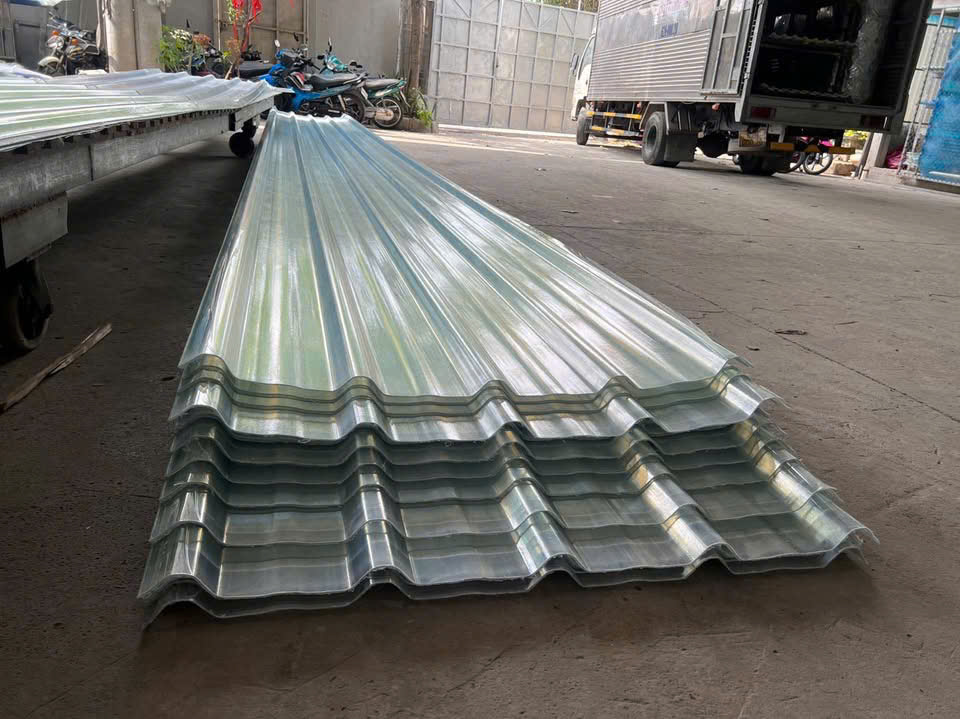
Published specifications are not the same as design requirements
Some product pages currently publish a range of thicknesses, but the final selling specifications must follow the order confirmation. Do not automatically choose the lower or upper end of the range. See Catalog of translucent roofing sheetsMaxlight and document requirements of the correct profile.
Light-transmitting sheets are not walking surfaces
Do not step directly on the skylight sheet. Roof construction and maintenance require work platforms, fall protection lines, traffic management, and rescue plans according to safety regulations. Increasing the thickness does not automatically turn the sheet into a surface"walkable".
Send roof drawings, profile, distance purlins, construction location, and technical requirements to check specifications with proper documentation.
Send documents to receive reportpriceReference sources and limits of use
- ASTM D3841-21: scope of classification, materials, and testing of fiberglass-reinforced polyester panels used in construction; the standard also notes that specific applications may require different performance levels.
- ISO/CIE 10916:2024: procedure to calculate the influence of daylight on building energy performance.
- MCRMA Technical Paper 1: structure, arrangement, and material selection of rooflight for metal roofing systemtype.
- NZ Metal Roofing Manufacturers – Natural Light Materials: compatible with the profile, characteristics, and differences between GRP and Polycarbonate in industrial roofing.
- Nova Construction Products – Rooflight Application Guide: focal point for guiding rooflight and self-drilling screw installation.
Technical limits: This article is used to screen options and prepare quotation data, not to replace construction drawings, structural calculations, light–heat simulations, fire regulations, or specific instructions for the actual roofing system. All thicknesses, spacing, loads, light transmission, fire resistance, durabilityChemicals, warranty, and price must be confirmed with the factory documentation of the shipment before signing the contract or starting construction.
View the product, material, and specification table at guide to choosing Composite/FRP translucent roofing sheets.
Contact Hưng Thịnh Phát for consultation on specifications and pricing at the factory.