Quick conclusion
FRP/Composite is suitable when a diffusing sheet and a profile that matches the metal roof are needed; Polycarbonate should be considered when the project prioritizes transparency, hollow/solid structure, or impact resistance of the correct product line. There is no best material for all roofs: it must be compared using drawings, test reports, thermal displacement, environment, and fire requirements.
Different based on materials and roof integration method
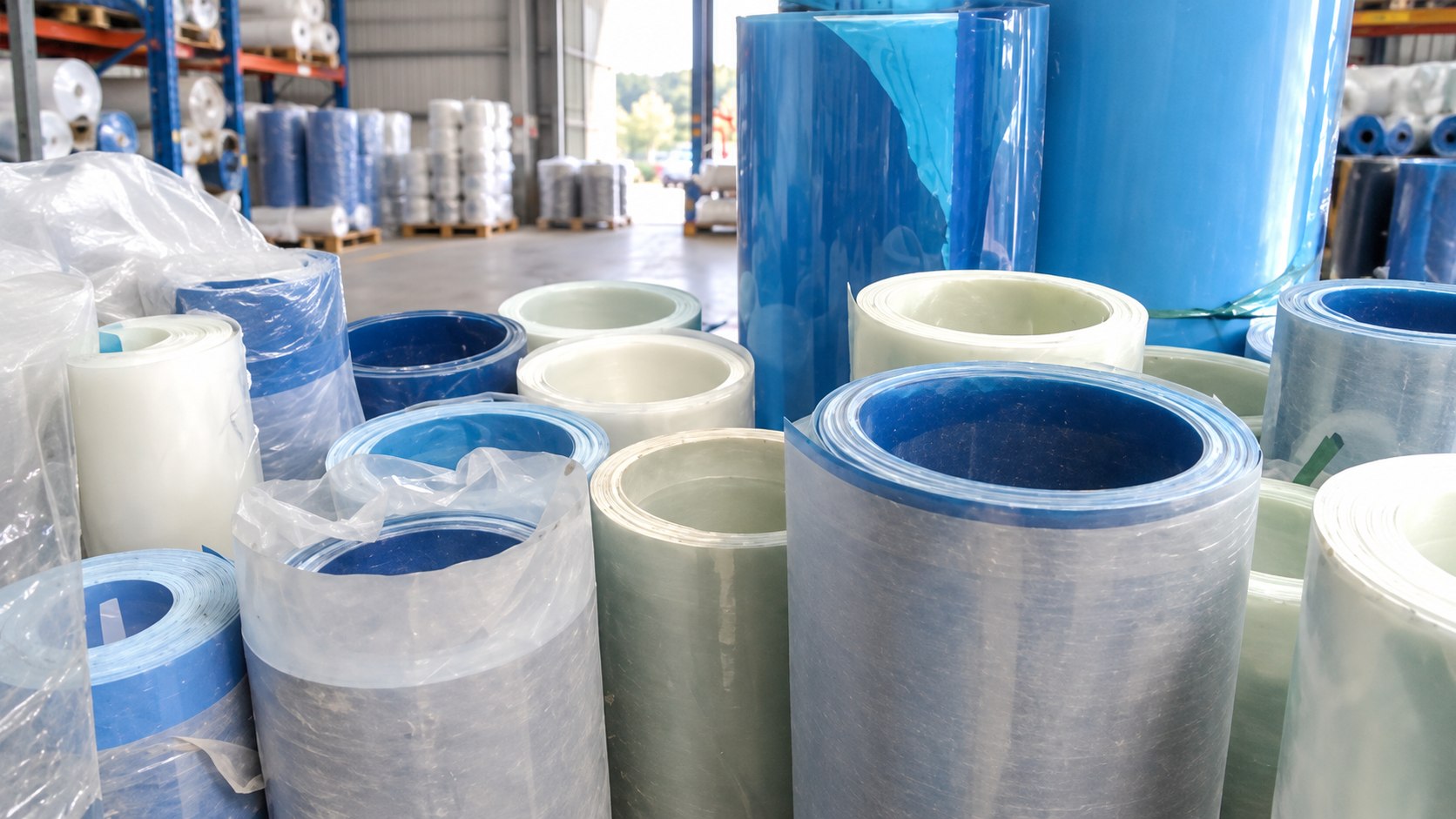
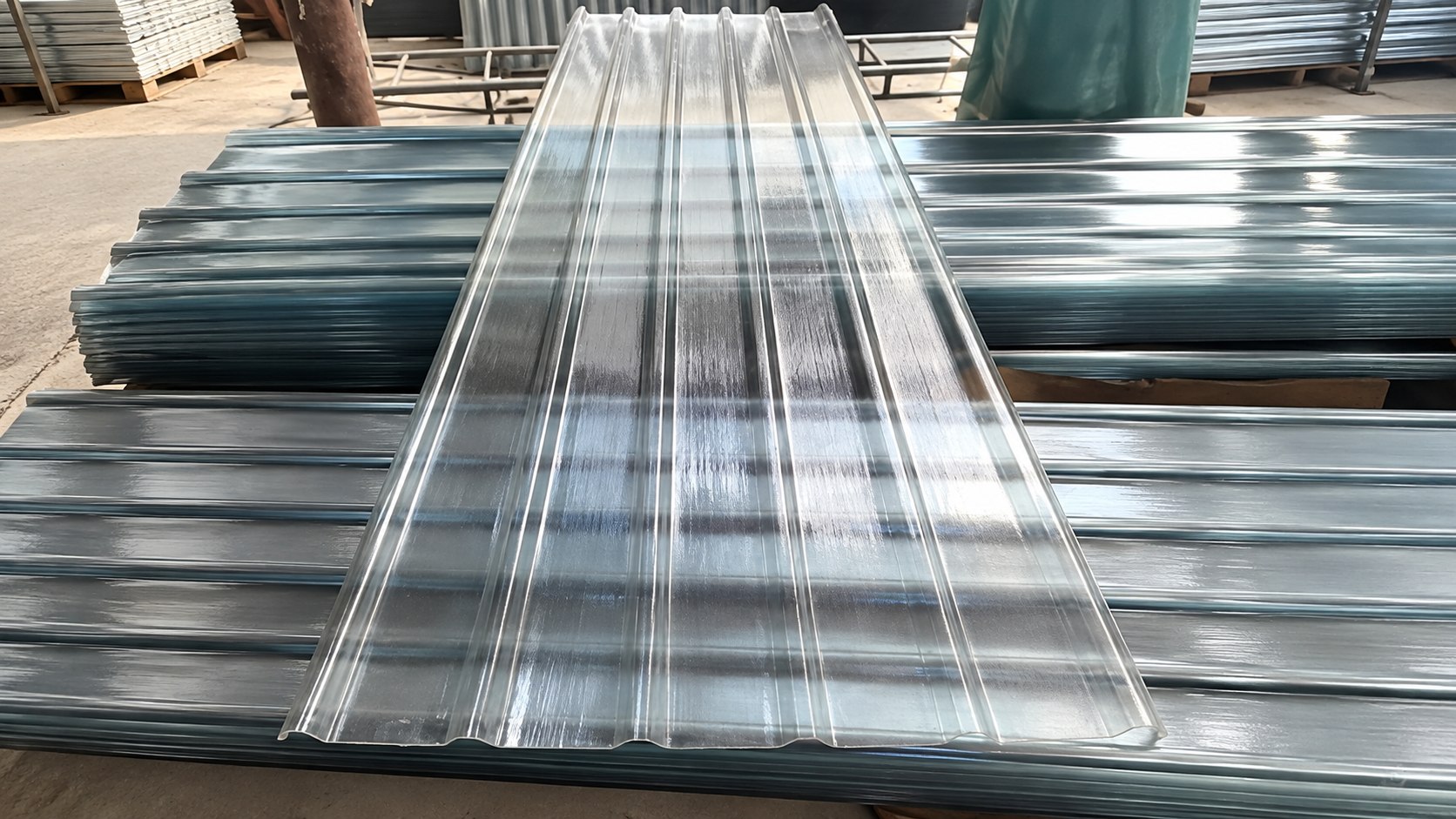
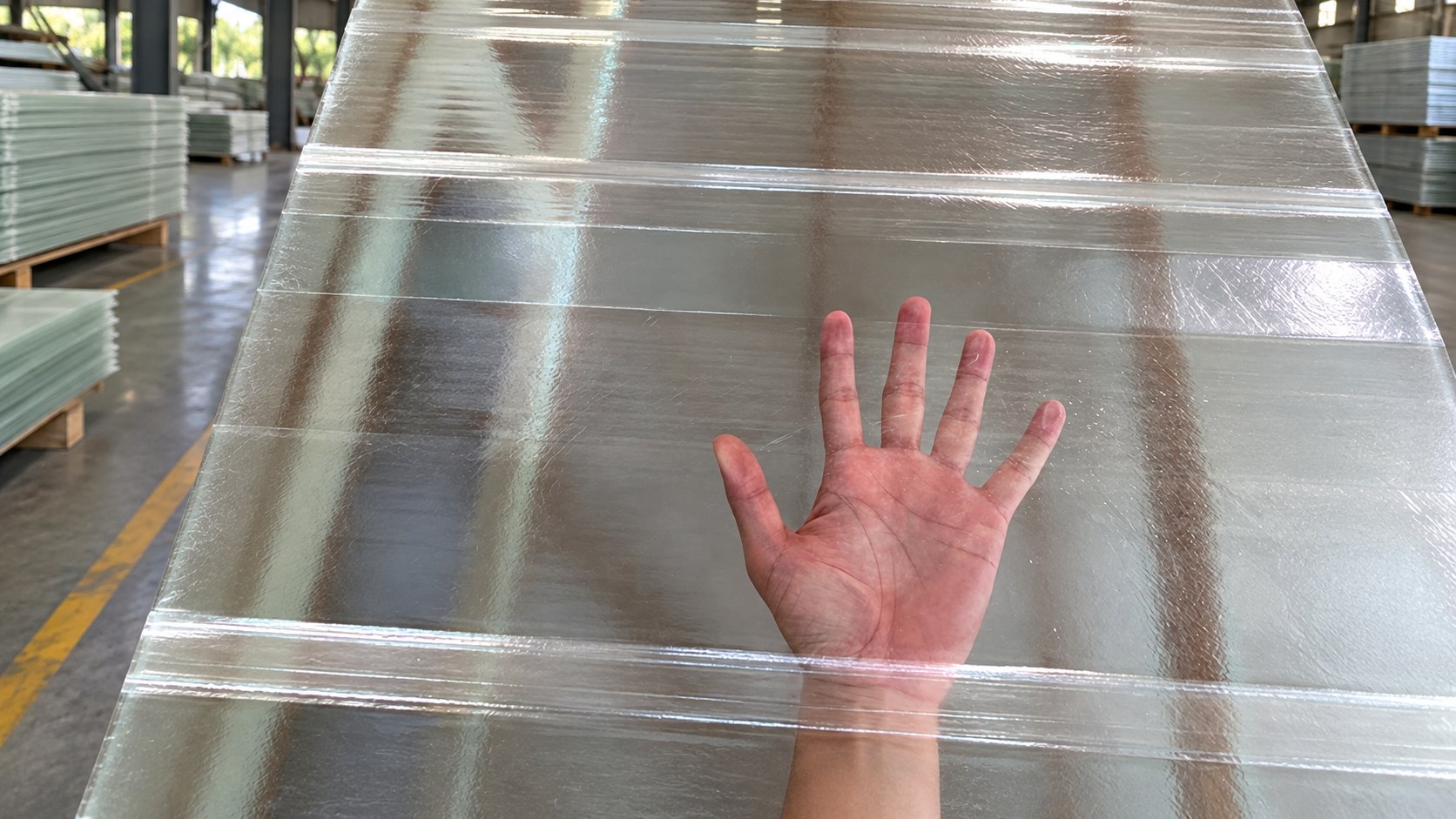
FRP/GRP rooflights are usually fiberglass reinforced thermosetting polyester, capable of forming profiles that match the roof sheets and provide diffused light. Polycarbonate is a thermoplastic, available in solid, hollow, or shaped forms; it is usually notable for transparency and impact resistance but has thermal displacement and separate assembly details. The material name alone is not sufficient to conclude the properties of a specific item code.
Selection table according to project requirements
| Criteria | FRP/Composite | Polycarbonate | Needs verification |
|---|---|---|---|
| Metal roof joint | Multiple profiles can be ordered | Depends on profile/product line | Section drawing |
| Light | Usually diffuse | Can be internal or diffuse | Light transmission/haze test sheet |
| Impact | Depends on design and product grade | Usually a strength of PC | Thickness test |
| Thermal expansion | Need to allow for displacement | Usually needs greater attention | Coefficients and hole guidance |
| Chemical | Dependent on plastic system | Depends on chemicals/temperature | Manufacturer compatibility table |
| Fire | Select grade with test profile | Select grade with test profile | Test report and project standards |
Five documents must be requested instead of trusting advertisements
- Profile drawings and tolerances.
- Light transmission/diffusion data in a new state and the test method.
- Mechanical/load data of the correct sheet, correct span.
- Fire results according to project standards; do not equate "self-extinguishing" with whole-roof fire safety.
- Warranty conditions, UV, chemicals, temperature, and installation instructions.
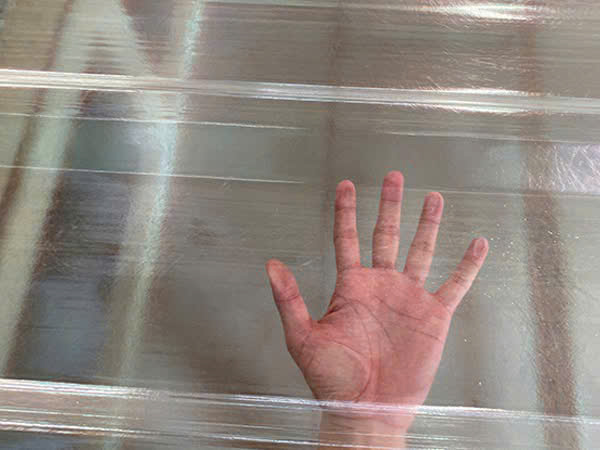
Select according to usage situation
- Factory roof needs to match existing sheets: Prioritize solutions that match the correct profile and roof system details.
- Roofs requiring transparency or high impact resistance: Evaluate PC line with corresponding profile.
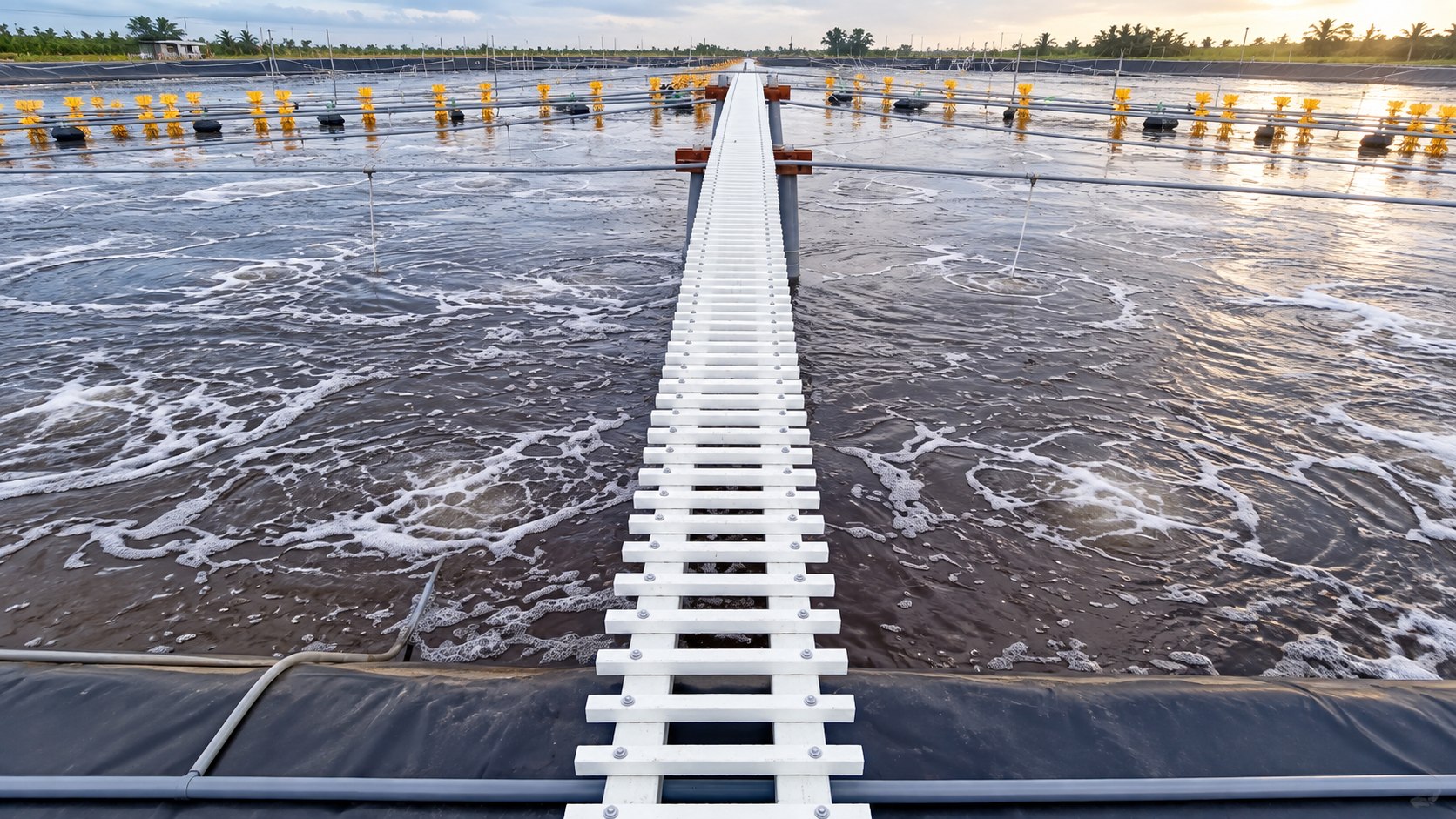
- Chemical area: select using a compatibility table, concentration, and temperature; do not select based on the general FRP/PC name.
- Work area needs even lighting: Compare haze/diffusion and glare risk, not just light transmission percentage.
Absolute conclusions to avoid
Do not claim that any material is “always more durable,” “non-flammable,” “non-yellowing,” “resistant to all chemicals,” or has a “service life of X years” without a report from the proper product and usage conditions. The correct decision is based on the roof system and verification records.
Send roof drawings and criteria for light, impact, heat, chemicals, fire for comparison with the type of panel and appropriate documentation.
Send documents to receive reportpriceReference sources and limits of use
- ASTM D3841-21: scope of classification, materials, and testing of fiberglass-reinforced polyester panels used in construction; the standard also notes that specific applications may require different performance levels.
- ISO/CIE 10916:2024: procedure to calculate the influence of daylight on building energy performance.
- MCRMA Technical Paper 1: structure, arrangement, and material selection of rooflight for metal roofing systemtype.
- NZ Metal Roofing Manufacturers – Natural Light Materials: compatible with the profile, characteristics, and differences between GRP and Polycarbonate in industrial roofing.
- Nova Construction Products – Rooflight Application Guide: focal point for guiding rooflight and self-drilling screw installation.
Technical limits: This article is used to screen options and prepare quotation data, not to replace construction drawings, structural calculations, light–heat simulations, fire regulations, or specific instructions for the actual roofing system. All thicknesses, spacing, loads, light transmission, fire resistance, durabilityChemicals, warranty, and price must be confirmed with the factory documentation of the shipment before signing the contract or starting construction.
View the product, material, and specification table at guide to choosing Composite/FRP translucent roofing sheets.
Contact Hưng Thịnh Phát for consultation on specifications and pricing at the factory.